



When comparing welding robots to manual welding, which do you prefer?
The world is changing, and technological intelligence is advancing. Various types of robots have emerged in response to these changes, as robots are more efficient and cost-effective than manual labor. Currently, welding robots are widely adopted by many manufacturers because they can replace human workers to complete corresponding production tasks within a set timeframe. So, do you prefer welding robots or manual welding?
Below, Xiao Tuo will analyze the advantages and disadvantages of manual welding versus robotic welding.
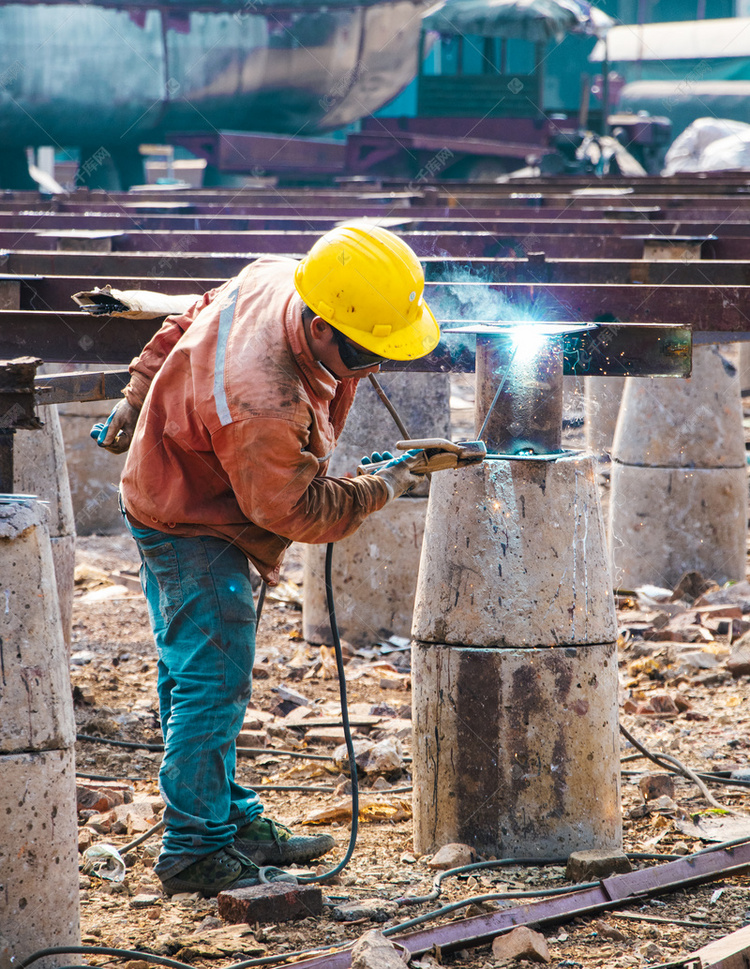
The advantages of manual welding lie in its high flexibility, enabling adaptation to non-standard components and diverse welding requirements. Manual welding holds certain advantages when handling specialized or intricate operations, and it does not require substantial initial investment costs. Disadvantages include low work efficiency, as it is constrained by the physical strength, skill level, and fatigue of the worker. Welding quality may be inconsistent, and safety hazards exist, posing a threat to the health of the operator.
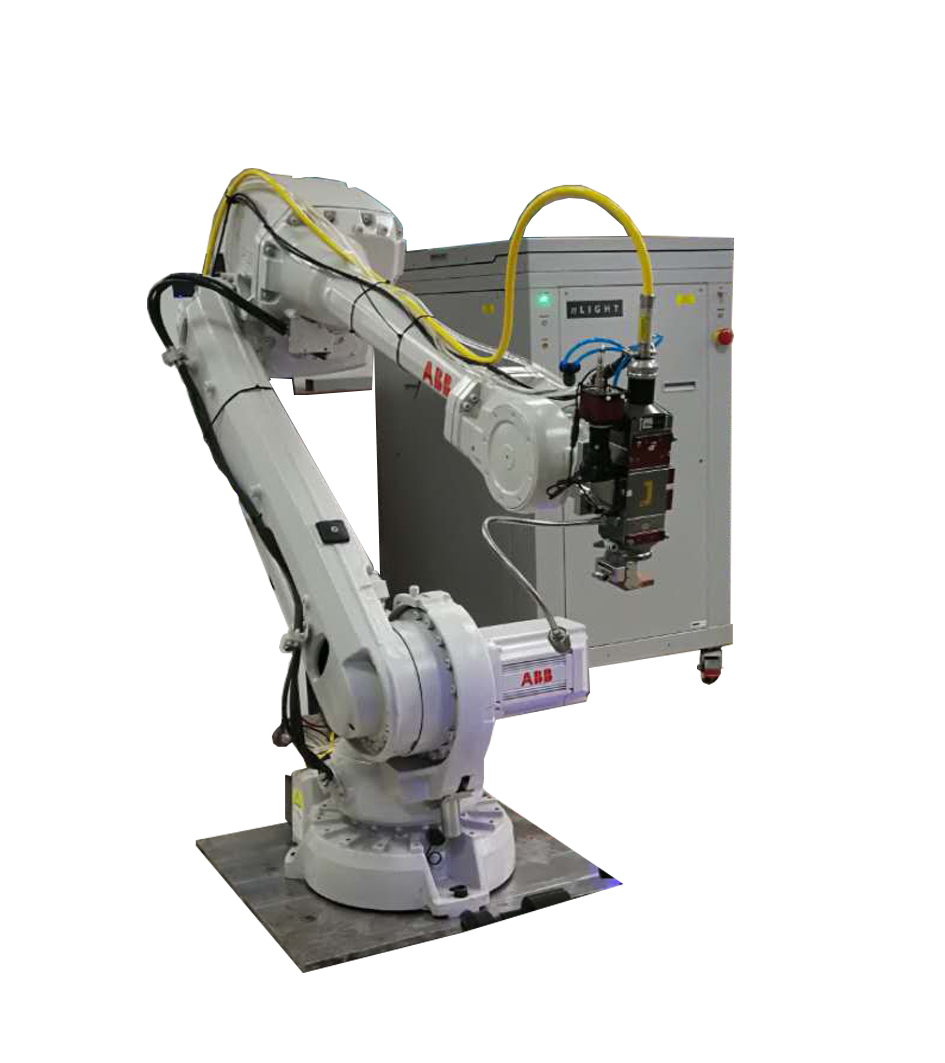
The advantages of robotic welding include high work efficiency, enabling 24/7 uninterrupted operation to boost production output; consistent weld quality through precise programming and control systems, reducing defects and scrap rates; strong adaptability to operate for extended periods in harsh environments, minimizing health impacts on operators; and low long-term operational costs. While initial investment is higher, the combination of high efficiency, superior quality, and extended lifespan results in lower overall costs over time. Disadvantages include limited flexibility, making adjustments for significantly varying welding requirements complex; and the need for specialized technicians to handle programming, debugging, and maintenance, demanding high technical proficiency from personnel.
That's all for the basics on welding robots. Hope this helps!